
One of the closest House races in the country. IA-01 was decided by fewer than 800 votes in 2024, it's rated a toss-up again in 2026, and more than 200,000 voters in the district belong to no political party.
The Cook Political Report rates Iowa's 1st District a toss-up. In 2024, the seat was decided by fewer than 800 votes—narrower than the population of most IA-01 small towns. The 2026 election will be settled in margins that small again. But the number most people miss is this: 205,683 IA-01 voters belong to no political party. That's the largest single bloc of voters in the district—bigger than the registered Democratic base, bigger than any organized group. It's also the bloc that's been ignored the longest.
For decades, IA-01 elections have given voters a binary choice. In 2026, that's changing.
The Cook Political Report rates Iowa's 1st District a toss-up. In 2024, the seat was decided by fewer than 800 votes—narrower than the population of most IA-01 small towns. The 2026 election will be settled in margins that small again. But the number most people miss is this: 205,683 IA-01 voters belong to no political party. That's the largest single bloc of voters in the district—bigger than the registered Democratic base, bigger than any organized group. It's also the bloc that's been ignored the longest.
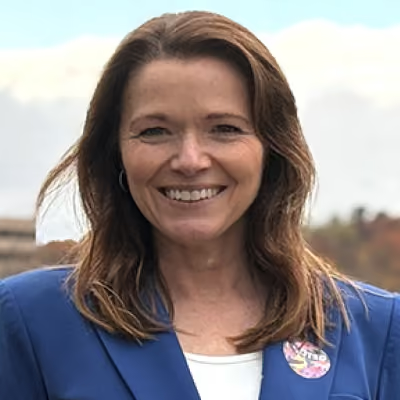
Previously ran: 2022, 2024
Law professor at the University of Iowa; former state representative

Previously elected: 2020, 2022, 2024
Three-term U.S. Representative; physician; former Iowa state senator (2019–2020)
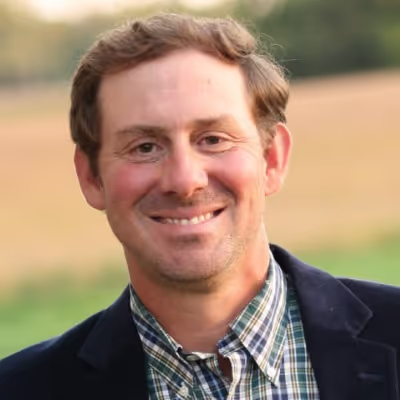
First-time candidate, 2026
Bettendorf small business owner; grew up on a multi-generational farm
Based on voter file data and our 2026 Tuned In polling, here are the issues independent voters in IA-01 say will shape their vote. We don't tell you what to think about them. We do tell you they matter.
Groceries, fuel, healthcare, rent—the cost of an Iowa life is the top concern voters bring up first. Where each candidate stands on tax policy, energy, and inflation will decide a lot of votes.
Iowa's rural hospitals operate on razor-thin margins. Medicaid changes hit IA-01 harder than most districts. The next member of Congress will help write the rules.
Term limits, a ban on congressional stock trading, and age limits poll at record highs across every demographic. Some candidates have made this central to their campaign. Some haven't.
Forty-two percent of NPP voters in IA-01 cite immigration as a priority issue. Practical solutions—not slogans—are what voters tell us they want.
IA-01 is among the most agriculture-dependent districts in the country. Farm income, input costs, trade policy, and the next Farm Bill all run through this seat.
From K-12 funding pressures to the cost of attending an Iowa university, education shows up in every focus group we run with IA-01 voters.
45% of Americans now identify as independent. In IA-01, more than 200,000 voters have chosen no party at all.
That's not a fringe. That's the largest political coalition in America—and the one with the least organized voice in Washington. The system wasn't built for you. Closed primaries shut you out of half the candidate selection process. Two-party debates pretend you don't exist. Every two years, the same two names come back to the ballot—and the same machinery decides who they'll be. Independent Center exists to change that. We poll independent voters so their views actually get counted. We educate independent voters about their options. We push for the reforms—open primaries, transparent campaign finance, congressional accountability—that put NPP voters back at the center of American democracy.
