
Rhode Island is choosing a new governor for the first time since 2014. The incumbent lost his own party's primary in September, the Republican nominee won his by 259 votes, and an independent has run second in every public poll since. More than half of the state's registered voters belong to no party at all. Here's who's running and what's at stake.
Rhode Island hasn't elected a Republican to statewide office since 2006, and the forecasters rate this seat Safe or Solid Democratic. But the 2026 governor's race hasn't followed the script. Governor Dan McKee became the first Rhode Island governor in more than 30 years to lose renomination, ousted in the September 9 Democratic primary by former CVS executive Helena Foulkes after two years of public anger over the closed Washington Bridge. The Republican nominee, Aaron Guckian, won his primary by 259 votes and has polled third ever since. The candidate running second is an independent, Ken Block, who has narrowed the gap from 24 points in August to between 9 and 11 points in October polling. In a state where unaffiliated voters outnumber Democrats and Republicans combined, the November result is not a formality. This page lays out the full field and what the office actually decides. We don't tell you how to vote; we tell you it's yours.
Rhode Island hasn't elected a Republican to statewide office since 2006, and the forecasters rate this seat Safe or Solid Democratic. But the 2026 governor's race hasn't followed the script. Governor Dan McKee became the first Rhode Island governor in more than 30 years to lose renomination, ousted in the September 9 Democratic primary by former CVS executive Helena Foulkes after two years of public anger over the closed Washington Bridge. The Republican nominee, Aaron Guckian, won his primary by 259 votes and has polled third ever since. The candidate running second is an independent, Ken Block, who has narrowed the gap from 24 points in August to between 9 and 11 points in October polling. In a state where unaffiliated voters outnumber Democrats and Republicans combined, the November result is not a formality. This page lays out the full field and what the office actually decides. We don't tell you how to vote; we tell you it's yours.
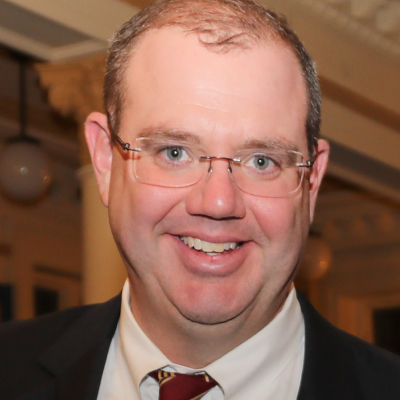
Republican nominee for Governor, 2026 (won the September 9 primary by 259 votes); Republican nominee for Lieutenant Governor, 2022 (lost, 43%)
East Greenwich native and former special assistant to Governor Don Carcieri. His career spans banking at BankNewport and Washington Trust, fundraising at the Rhode Island Foundation, chairing the Warwick Sewer Authority, and serving as executive director of the Rhode Island Dental Association. He played college basketball at Connecticut College and holds master's degrees from Rhode Island College and Johnson & Wales.

Candidate for Governor, 2026; previous runs since 2010 for U.S. Senate, U.S. House (RI-01), Providence City Council, and Governor
Providence resident, 59, who works at The Capital Grille. He has run for office several times since 2010, including campaigns for U.S. Senate, the U.S. House (RI-01), Providence City Council, and governor. He is one of three independents who qualified for the 2026 ballot by filing 1,000 valid signatures.
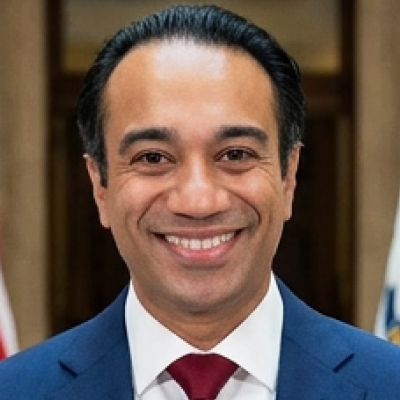
First-time candidate, 2026
East Greenwich entrepreneur, 44, who immigrated from Mumbai as a teenager and built companies in home security (Alliance Security) and solar sales (Smart Green Solar). His solar company closed in 2024 and is the subject of a 2023 consumer-protection lawsuit by the Rhode Island Attorney General, which his campaign has addressed publicly.
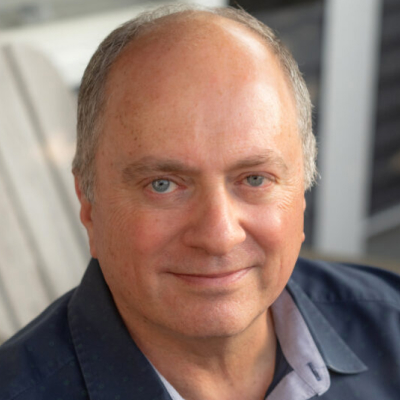
Independent candidate for Governor, 2026; Republican primary for Governor, 2014 (lost to Allan Fung); Moderate Party nominee for Governor, 2010 (6.5%)
Barrington software engineer and president of Simpatico Software Systems, a data-analytics firm that helps governments identify waste and fraud. He founded the Moderate Party of Rhode Island in 2008 and led the 2013 campaign to eliminate the straight-ticket "master lever." In 2020 he investigated voter-fraud claims for the Trump campaign, found none, and later wrote the book Disproven.
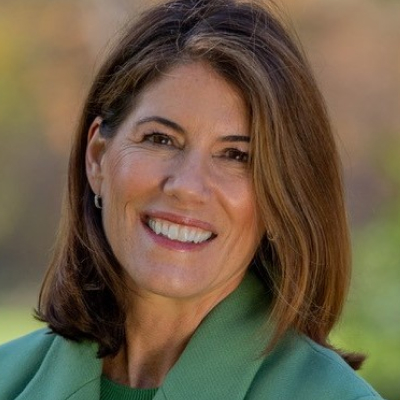
Democratic nominee for Governor, 2026 (won the September 9 primary over incumbent Dan McKee, 62%–38%); Democratic primary for Governor, 2022 (lost by 3 points)
Providence native who spent 25 years at CVS Health, rising to president of CVS Pharmacy and leading the company's 2014 decision to stop selling tobacco. She later served as CEO of Hudson's Bay Company and has sat on the boards of Home Depot and Costco. She is a Harvard graduate and the granddaughter of Connecticut Senator Thomas Dodd.
The governor writes the state budget, runs the Department of Transportation, appoints the heads of every state agency, and signs or vetoes everything the General Assembly passes. Here are the issues that have defined this race on the debate stage and in the polling. We don't tell you what to think about them. We do tell you they matter.
The issue that split the candidates most sharply in both televised debates.
Utility bills are the state's loudest kitchen-table complaint.
The I-195 span closed since December 2023 defined the primary, and the next governor inherits the rebuild.
The new millionaire's tax, state fees, truck tolls, and the budget gap all land on the governor's desk.
Struggling hospitals, primary-care shortages, and the cost of coverage are squarely in the governor's portfolio.
After the bridge, voters in every poll say they want a state government that works.
51%—unaffiliated voters outnumber Democrats and Republicans combined
Rhode Island doesn't make you pick a team. More than half of the state's 757,000 registered voters—roughly 385,000 people—are unaffiliated, compared with about 264,000 Democrats and 109,000 Republicans. Unaffiliated voters can cast a ballot in either party's primary, and since a 2024 law took effect they stay unaffiliated afterward, no paperwork required. That's not a technicality; it's a description of how this electorate actually works. The state elected an independent governor in 2010, and in 2026 an independent is polling second. You are not locked into a party, and you don't have to join one to look closely at every name on the ballot. That's exactly what this page is built to help you do.
Early voting runs October 14–November 2. Election Day is Tuesday, November 3. Find your polling place and registration status at vote.ri.gov.