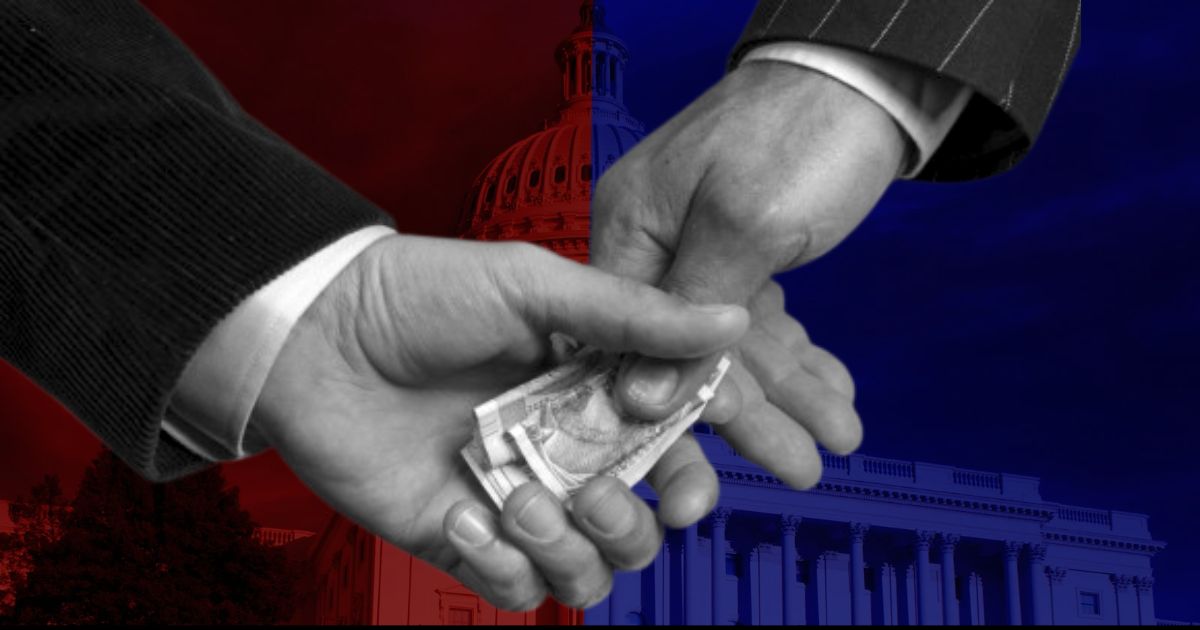
In a healthy democracy, accountability isn’t optional—it’s foundational. But today, our political system is suffering from a dangerous imbalance. Leaders expect loyalty, obedience, and funding from citizens, yet feel no obligation to explain themselves, adjust course, or acknowledge dissent. This is political narcissism, and it’s eroding the trust that holds our democracy together.
Fortunately, there’s a growing movement pushing back: independent voters.
Accountability means recognizing that both sides in a relationship have obligations. In politics, that means elected officials must answer to the people—not just every four years, but consistently. Yet our current system often fails to deliver that promise.
As polarization deepens, elected officials increasingly represent only their base, ignoring the broader public. “Winner-take-all” politics gives 51% of the vote 100% of the power. And when leaders ignore court rulings or public backlash without consequence, we’re left with a toxic dynamic.
This isn’t just bad governance—it’s a broken relationship.
Many Americans are choosing to split their tickets or leave party affiliation behind altogether. Party identification is at historic lows, and independent voters are now the fastest-growing segment of the electorate. Why? Because they’re tired of being forced to choose between two extremes.
Independent voters are demanding more than slogans. They want accountability, transparency, and results. They’re optimistic enough to believe that democracy can work—but realistic enough to know it won’t unless we change how we engage.
We often hear, “If you don’t like it, vote them out.” But that’s not real accountability. When elections are spaced years apart, and polarization protects bad behavior, voters lose leverage. Worse, many feel trapped—unable to switch sides because the alternative feels just as broken.
That’s why split-ticket voting is on the rise. It’s a powerful tool for voters to express nuanced views and demand better representation. It’s also a signal that Americans are no longer willing to give blind loyalty to any party.
To fix our democracy, we need more than reforms—we need a cultural shift:
Despite the dysfunction, independent voters remain optimistic. They believe in the promise of democracy and are willing to fight for it—one conversation, one vote, and one election at a time.
At the Independent Center, we believe that accountability is a cultural norm, not just a political ideal. And we believe independent voters are leading the way toward a more honest, responsive, and inclusive democracy.