New national Gallup polling released this week reports that 45% of U.S. adults now identify as political independents.
This surpasses both major parties and signals one of the most significant shifts in American political identity in decades. This rise reflects a larger cultural moment—one defined by independent voters, split‑ticket voting, renewed optimism in America, and a desire for policy over partisanship.
While some observers refer casually to an “independent party,” The Independent Center emphasizes that this is not a political party, but a broad, nationwide movement grounded in independent thinking, pragmatic problem‑solving, and a modernized vision of the American Dream.
Independents Emerge as America’s Third Force
According to the Gallup data, the number of adults identifying as independent has steadily increased in recent years. Polling conducted by Independent Center Voice confirms that positive sentiment toward both major parties remains low, suggesting that this trend is less about switching teams and more about seeking space outside traditional partisan expectations.
The Independent Center describes this as a structural shift—a “third force” in American political life driven by voters who want competence, cooperation, and real solutions.
“Americans are sending a clear message that the current political culture isn’t working for them,” said Lura Forcum, President of The Independent Center.
“Independent-minded voters want meaningful ways to participate in political life without being forced into partisan boxes.”
The data suggests that many Americans increasingly prioritize policy outcomes, not party labels. This aligns with the Independent Center’s long-standing focus on:
Policy Over Partisanship
Voters are seeking seriousness rather than spectacle—leadership that focuses on solving problems instead of scoring political points.
Electoral Reform & Open Primaries
Reform efforts such as open primaries, nonpartisan primaries, ranked-choice voting, and other structural changes are gaining attention among Americans looking for more inclusive and competitive elections.
Healthy Competition in a Two‑Party Environment
Independents are not rejecting political participation—they are reshaping it. Their growth introduces new competition within a system historically dominated by two parties.
More Split-Ticket Voting
Independent voters increasingly make choices across party lines, reinforcing trends toward individualized, candidate-based decision-making.
These behaviors reflect a pragmatic political culture, not disengagement.
Younger Voters Are Leading the Way
One of the most striking insights from the Gallup data is the generational shift:
- Majorities of Gen Z and Millennials now identify as independent.
- Unlike earlier generations, they maintain this identity as they age.
- This suggests independence is becoming a durable fixture of American political life.
Senior Advisor Seth Cohen described this shift as a sign of how Americans now view themselves:
“There is a large and growing group of Americans who care deeply about the future of this country but feel shut out by a system built around party loyalty and perpetual outrage.”
A Modernized American Dream Rooted in Optimism
Despite political frustration, the data highlights something often overlooked: a sense of optimism in America’s future. Independent voters—particularly younger ones—remain deeply engaged, hopeful, and determined to build a political reality that reflects their values:
- Practicality
- Shared responsibility
- Civic engagement
- Local community focus
- Long-term thinking
This reflects a modernized American Dream—one that emphasizes opportunity, dignity, and cooperation.
The Independent Center: A Movement for Long-Term Engagement
The Independent Center views this moment not as a temporary trend but as a call to expand long-term civic participation:
- Strengthening civic leadership development
- Creating community for independent voters
- Encouraging reforms that improve electoral competition
Senior Advisor Adam Brandon summarized the shift:
“Independents aren’t confused or disengaged. They are choosing to step away from hyper-partisan warfare and signaling that they want leaders who take governing seriously.”
Again, The Independent Center clarifies that it is a movement—not a political party—focused on improving democratic participation for all Americans.
The Path Ahead: Will the System Evolve?
As independents become the largest political identity in America, the key question is whether the political system will adapt:
- Will primary structures modernize?
- Will campaigns engage independent voters more seriously?
- Will elected leaders respond to the rise of nonpartisan, solution-focused civic culture?
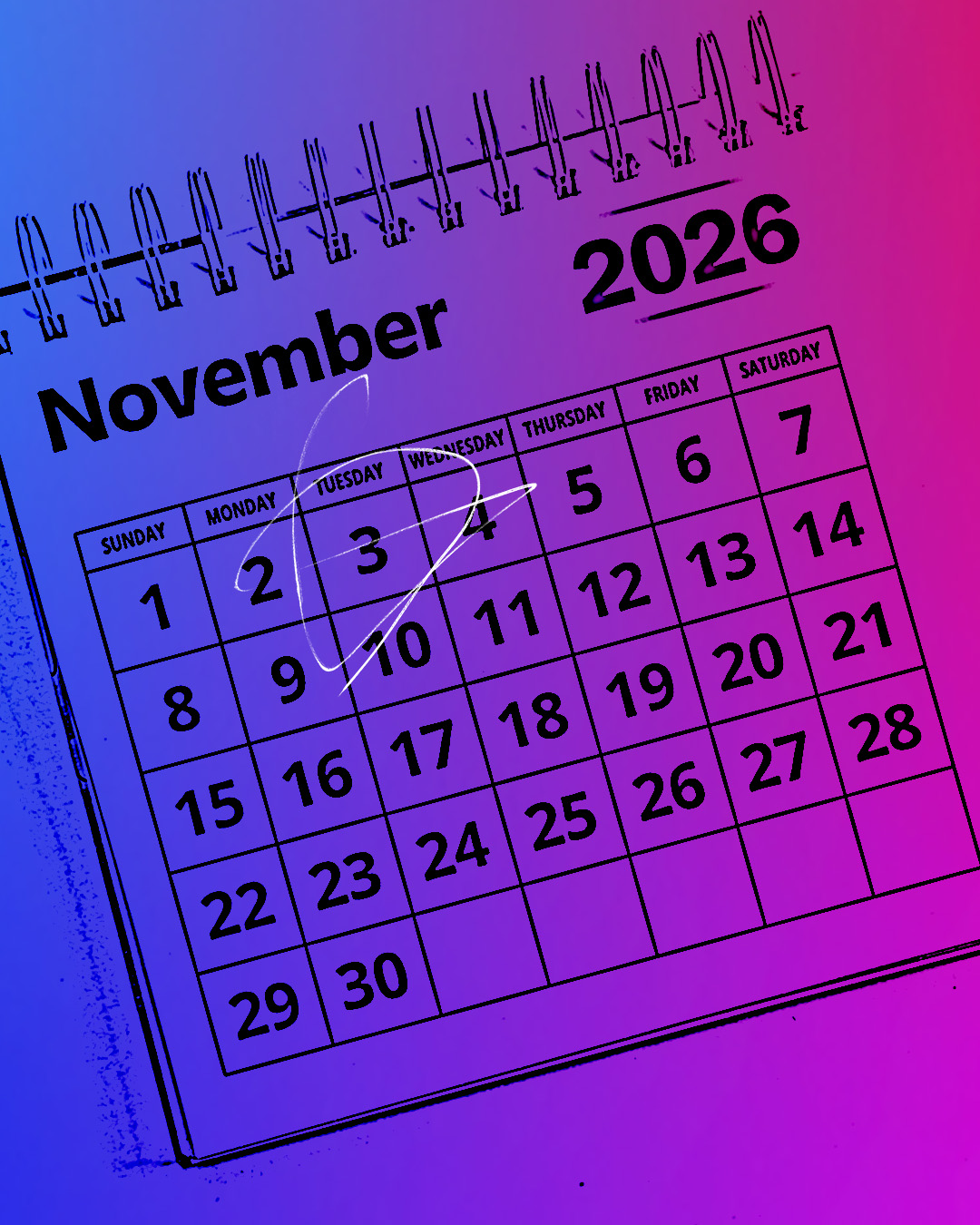
According to the organization, 2026 may mark the year where independents reshape the national conversation, driven by a desire for a healthier, more functional democracy.
.avif)